

In cases where infections, prostate cancer, or stress have adversely impacted bladder control and intimate health.
Meet Peter
Peter came to CureUI™ Clinic a bit uncomfortable and with little expectation as to whether treatment would help him. From the moment he walked through the doors however, his original perceptions began to change. Not only were the staff warm and welcoming each and every time he had an appointment, but he found tremendous success from his treatment plan. His treatment at CureUI™ Clinic far surpassed the results he had hoped to achieve.
Post-treatment, Peter now openly talks to other men about considering treatment because he understands that pelvic floor health-related issues affect men just as much as they do women.
Our Treatment Can Help With:
Overactive Bladder:
Some men experience an overactive bladder after a prostatectomy, which is characterized by sudden, strong urges to urinate that are difficult to ignore. This can result in frequent urination (more than 5-8 times a day), urgency, and even incontinence (leakage of urine). Nocturia (waking up at night to urinate) is also common.
Erectile Dysfunction:
Erectile dysfunction is another common issue after prostate surgery due to the disruption of nerves that control erections. This can significantly affect sexual function and quality of life.
However, our treatments can help improve sexual function by stimulating the pelvic floor muscles and improving blood flow to the area.
Bladder Control Issues:
Also referred to as incontinence, this issue can arise after specific surgeries, when the external urethral sphincter, which is crucial for controlling urination, may weaken. This occurs because it has not been actively used while the prostate was enlarged, compressing the urethra. Pelvic Floor Muscles: Pelvic floor muscles also play a key role in incontinence.
A Treatment For Men
Where infections, prostate cancer or stress have had a negative impact on incontinence and / or intimate health.

Many of the men who come to see us have an enlarged prostate, had radiation treatment on their prostate and/or a prostatectomy. This may result in involuntary bladder leakage, waking up throughout the night to pee, and accidental bowel leakage, as well as erectile dysfunction.
How It Works
This process is exclusively designed to strengthen your pelvic floor muscles thereby restore control to your bladder, addressing urinary incontinence and other issues in the best possible manner.
The high frequency of the electromagnetic waves ensures the maximum benefit and you may observe improvement after only a single session. Results will typically continue to improve over the next few weeks.
This is a revolutionary treatment that strengthens and tightens the pelvic floor muscles to reduce urinary incontinence and improve blood flow to the area.
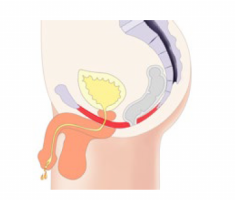
Before Treatment

During Treatment
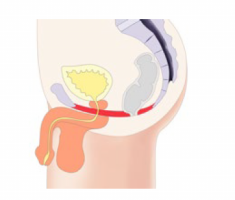
After Treatment
Strengthening your Pelvic Floor Muscles Can Address a Host of Issues
Erectile Dysfunction / Sexual Health Support
Erectile dysfunction is another common issue after prostate surgery due to the disruption of nerves that control erections. This can significantly affect sexual function and quality of life.
However, our treatments can help improve sexual function by stimulating the pelvic floor muscles and improving blood flow to the area.
Decreased pelvic sensitivity and orgasm difficulties.
Urge Incontinence
Feeling the urge to go often, not sure if you’ll make it to the washroom on time, Over-Active Bladder (OAB)
- Neurological conditions and disorders like Parkinson’s disease, multiplesclerosis, and strokes can also result in urge incontinence
- Inflammation or irritation of the bladder, especially in situations like cystitis
Bladder Control Issues
After some surgeries, the external urethral sphincter, which is crucial for controlling urination, may weaken. This occurs because it has not been actively used while the prostate was enlarged, compressing the urethra. Following surgery, your body needs to re-learn how to use these muscles effectively to control urination.
Pelvic floor muscles also play a key role in continence. Post-surgery, these muscles might be weak, requiring retraining to improve bladder control.
Bladder control issues are often referred to an incontinence.
Fecal Incontinence
The inability to control bowel movements, causing stool (solid or liquid), or gas to leak unexpectedly from the rectum.
Other Causes
There are a variety of other causes to blood-flow issues or a weak pelvic floor in men, some of which can be surprising to some people as these causes are not always considered harmful.
- Medications like sleeping pills, diuretics, sedatives, and antihypertensive drugs
- Sedatives may cause urinary incontinence
- Excess alcohol consumption
- Urinary tract infections or inflammation
- Surgeries such as prostatectomies